

Porto's ring road is shut to lorries by day (and the alternative is now toll-free)
The VCI restriction started on 15 September and covers goods vehicles over 3,500kg with three or more axles. Hauliers loading or unloading in Porto or Gaia can still use it — but only with the plate registered first.
Since 15 September, heavy goods vehicles have been barred from Porto’s Via de Cintura Interna between seven in the morning and nine at night on weekdays. This is not a trial run with a soft launch. In the first 48 hours the PSP logged 27 offences, 22 on day one and five on day two, which suggests the message travelled fast.
The ban applies to goods vehicles over 3,500kg gross weight with three or more axles and a height of at least 1.1 metres measured at the first axle. The three conditions are cumulative, which is why an ordinary delivery van is untouched and why not every large truck is caught either.
Who can still use it
One exception matters more than the rest. Vehicles with an origin or destination in Porto or Vila Nova de Gaia, for loading or unloading, may keep using the VCI during the restricted hours. That exception is not granted automatically. Firms have to obtain prior authorisation through a traffic-management platform, registering the plate, the load, the origin and the destination. An unregistered plate on the road is an offence the moment it enters.
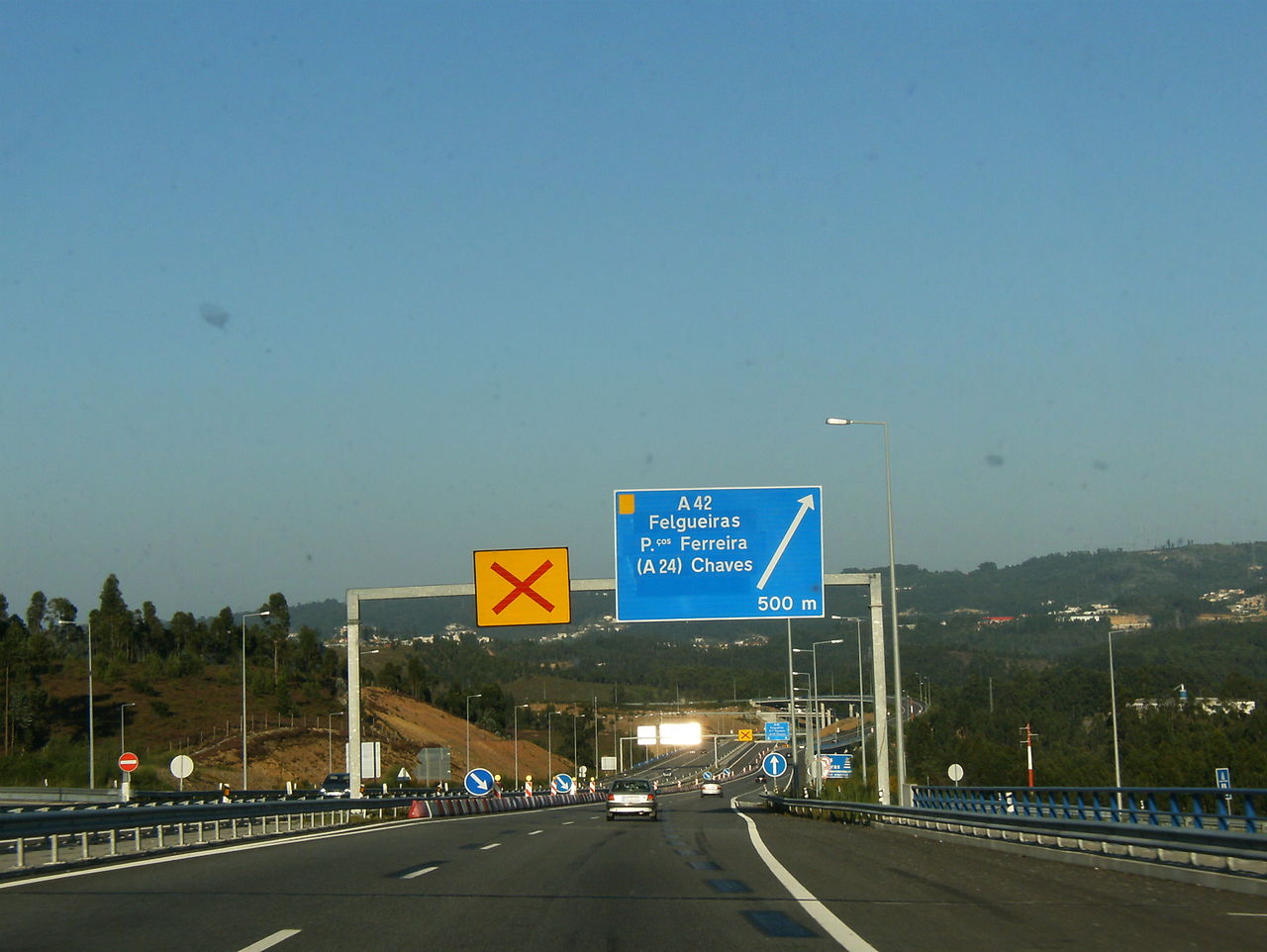
For everyone else the route is the A41, Porto’s outer ring. Here sits the half of the story that got much less attention: the A41 became toll-free for these vehicles precisely to make the diversion workable. Infraestruturas de Portugal publishes both the circulation rules and the toll exemption together, and estimates the change will take more than four thousand lorries off the VCI and cut heavy traffic there by around 60 percent.
What the detour costs
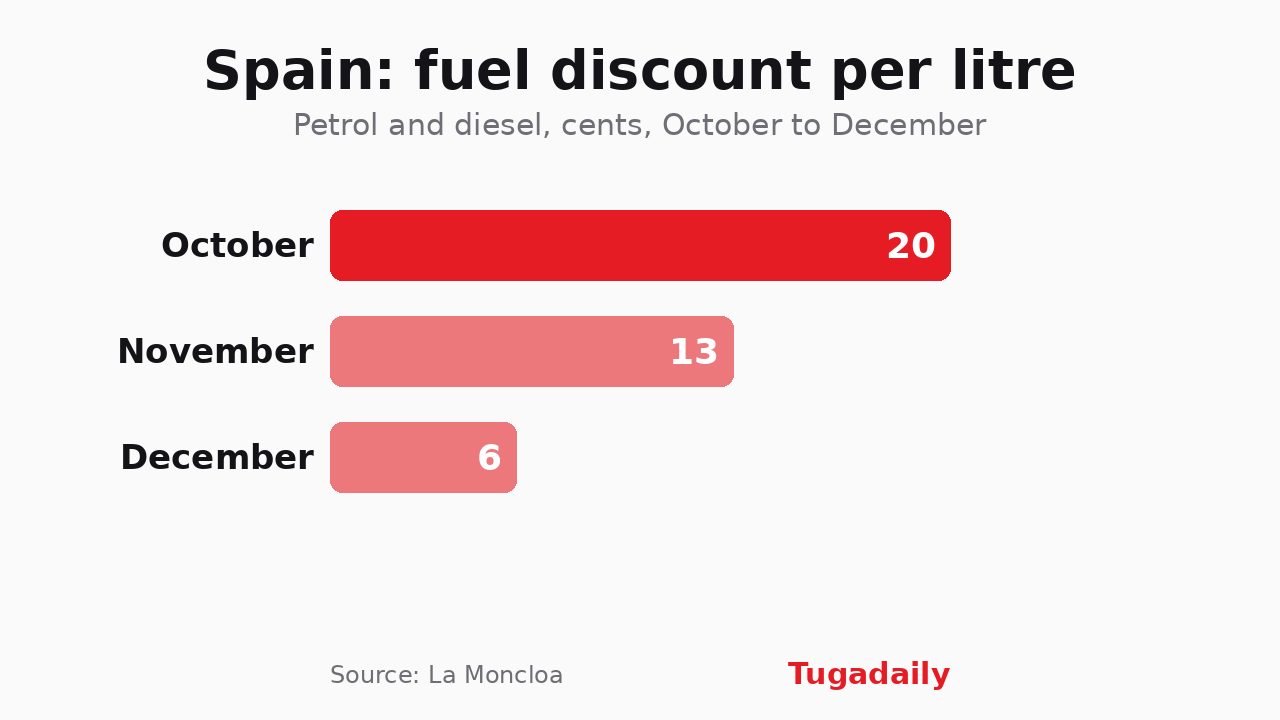
Losing the toll is not the same as losing the bill. ANTRAM, the road haulage association, has flagged journeys where going round on the A41 adds more than 60 kilometres, with fuel and driver hours rising to match — and fuel was already the sore point, even with the state handing back close to ten cents a litre on diesel. The Portuguese Logistics Association accepts there will be extra costs for carriers. What the sector objects to most loudly is the paperwork around the exceptions.
Infraestruturas de Portugal itself calls the regime a pilot under continuous monitoring, which is an open admission that the rules may yet move. Congestion on the VCI does not end here either. It is a through-traffic problem, and it belongs to the same argument that has the state studying a return of passenger trains to Sines — moving goods and people without funnelling all of them onto the same strip of tarmac.
By Beatriz Mota
Photo: chermida / Wikimedia Commons (CC BY 2.0)