

Lisbon debuts on the UBS bubble index (in the elevated-risk tier, next to Miami and Dubai)
The Swiss bank added Lisbon and Seoul to its sample this year, and the two newcomers posted the largest rises in bubble risk of any city. Lisbon sits with Miami, Dubai, Seoul and Geneva after a decade of real house prices climbing almost 7% a year.
Being added to a housing bubble index is not the kind of debut a city puts on a poster. Lisbon has just made one.
UBS has published its Global Real Estate Bubble Index every year for twelve years, and the 2026 edition covers 23 cities. The two new entries are Lisbon and Seoul, and those two recorded the biggest increases in bubble risk in the whole survey. Lisbon went straight into the elevated-risk band alongside Miami, Dubai, Seoul and Geneva. Only Zurich and Tokyo rank higher, at high risk. Paris, London, New York, San Francisco and São Paulo sit at the bottom on low risk.
The number behind the placing
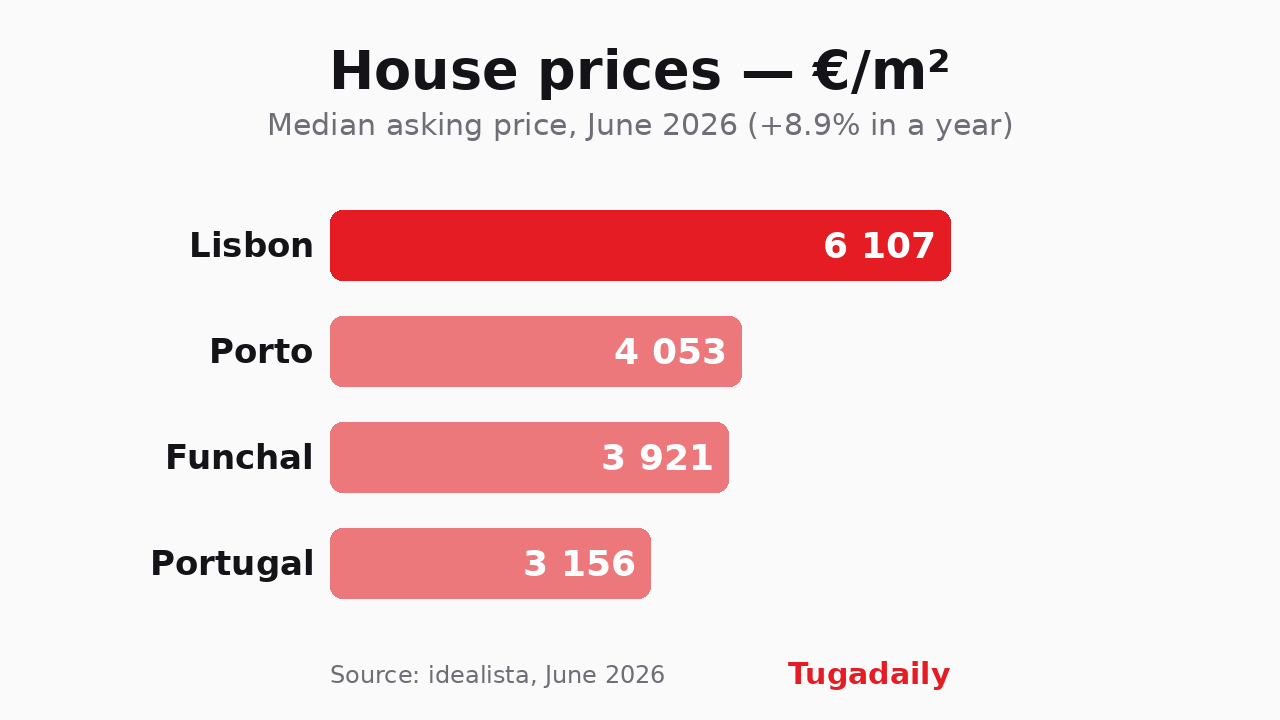
Over the past decade, real house prices in Lisbon have risen by almost 7% a year. That is the fastest rate of the 23 cities in the study, and not narrowly. Since the middle of 2025 they have added another 10%, a pace matched this year only by Seoul, Madrid and Hong Kong. UBS is blunt about where it came from: the policies built to attract foreign capital and foreign residents fed the boom.
A bubble index is not a forecast of a crash. UBS measures how far prices have pulled away from incomes and rents, together with credit growth and construction, and flags markets that look vulnerable to a correction without predicting when.
The engine is losing power
The most interesting part of the Lisbon spotlight is about the present rather than the past decade. Lisbon has become one of Europe’s least affordable housing markets, and several of the things that pushed it there are weakening at once. The shift to a more selective immigration policy has contributed to negative population growth, rental growth has stalled, and demand is moving out to cheaper areas around the city.
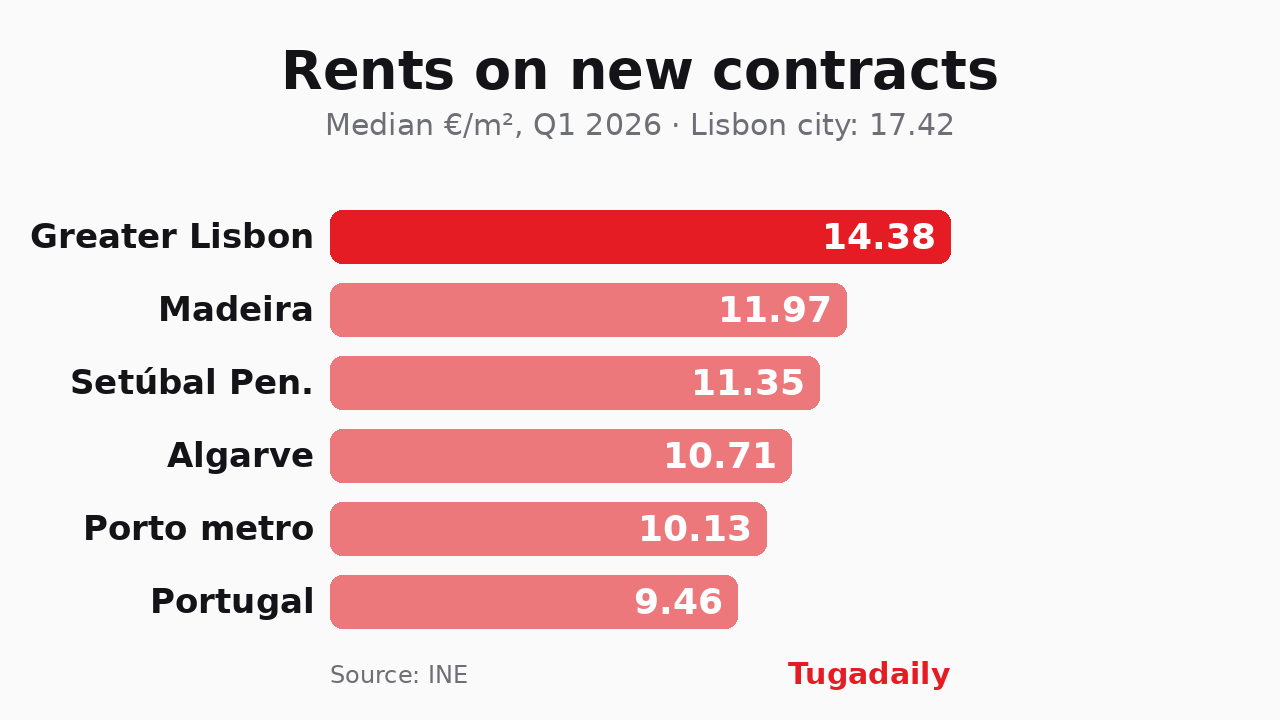
That first point got its confirmation the same day. AIMA’s annual report shows the foreign resident population grew 2.7% in 2025, the slowest rate anywhere in the agency’s series, against 18.3% the year before. The rent side had already shown up in our own numbers: even after the city cancelled 40% of its short-term let registrations, median rent on new contracts kept climbing.
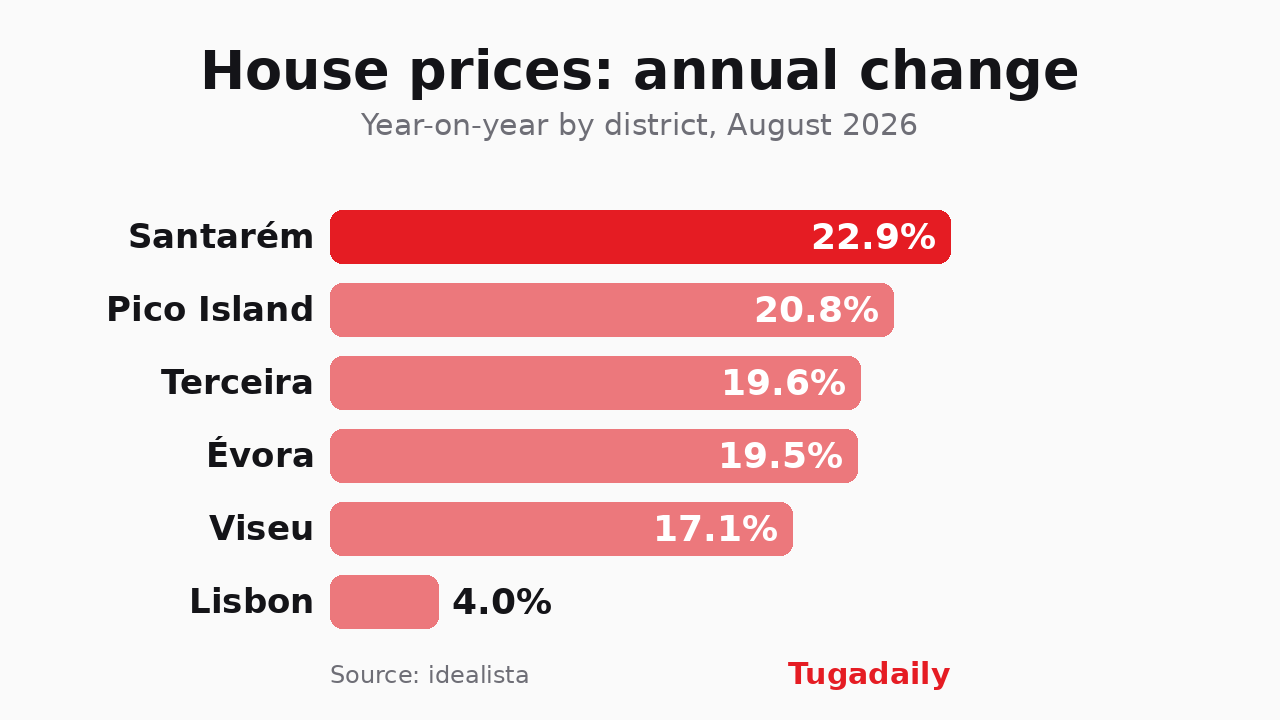
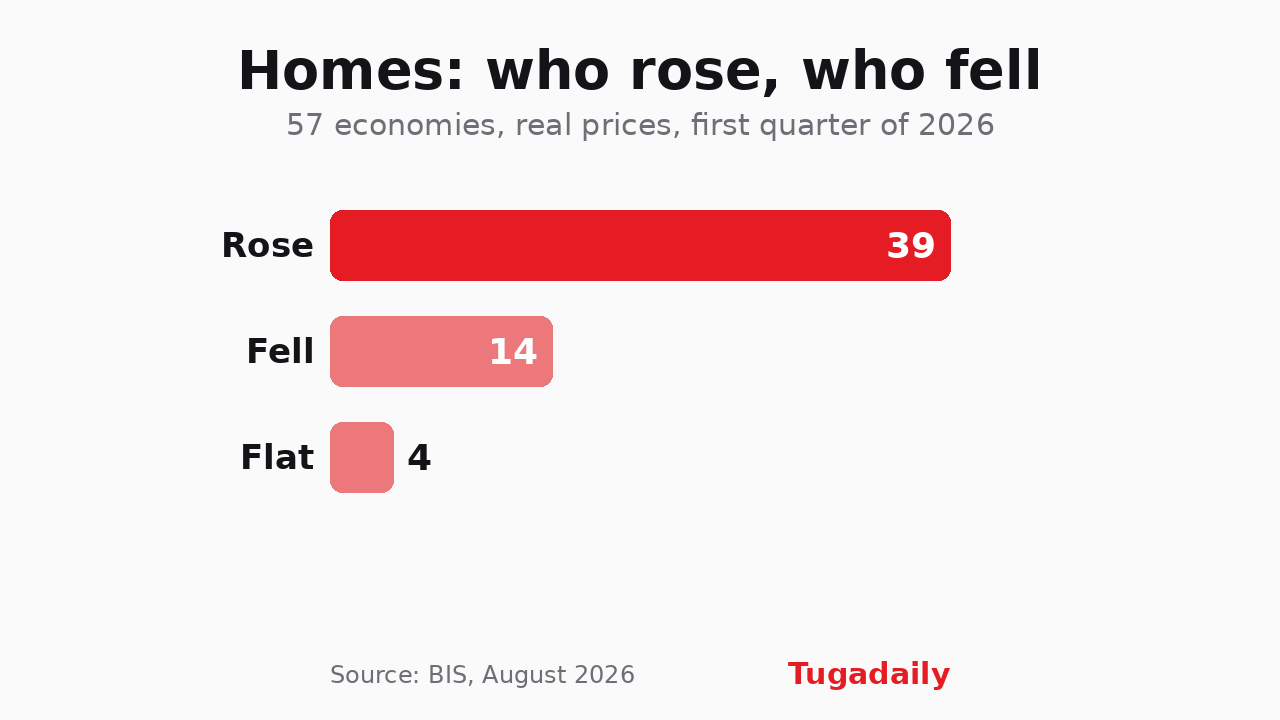
The global backdrop is worth holding on to, because it is not the same everywhere. Across the sample, prices, rents and incomes were broadly flat in real terms over the past year. Vancouver and Toronto fell around 10%. Lisbon rose 10%. The Portuguese figures, quarter by quarter, accumulate in our house prices tracker. The methodology and the risk bands are published by UBS.
Image: Philip Mallis / Wikimedia Commons (CC BY-SA 4.0)