

The ultra-rich now own nearly four homes each. Portugal is well placed to be one of them
Knight Frank's Residence Report 2026/27 counts 3.8 homes per ultra-high-net-worth owner, up from 2.9 in under a decade, and names Lisbon, the Algarve and Comporta among the places well placed to catch that money.
Less than a decade ago, the average ultra-wealthy owner had 2.9 homes. Today that figure is 3.8. It is the headline number in the Residence Report 2026/27, published by Knight Frank in association with Quintela + Penalva, and it says something about where top-tier money is actually going: not into one bigger house, but into more houses, spread across more places.
Portugal shows up well on that map. The report sees Lisbon, the Algarve and Comporta as a competitive edge at a moment when these buyers are spreading their property across more countries. And it isn’t just the weather. Wealthy families, the study says, set up several bases to get access to opportunities, networks and talent. Each new home is a way in.
Still a bargain next to London or Paris
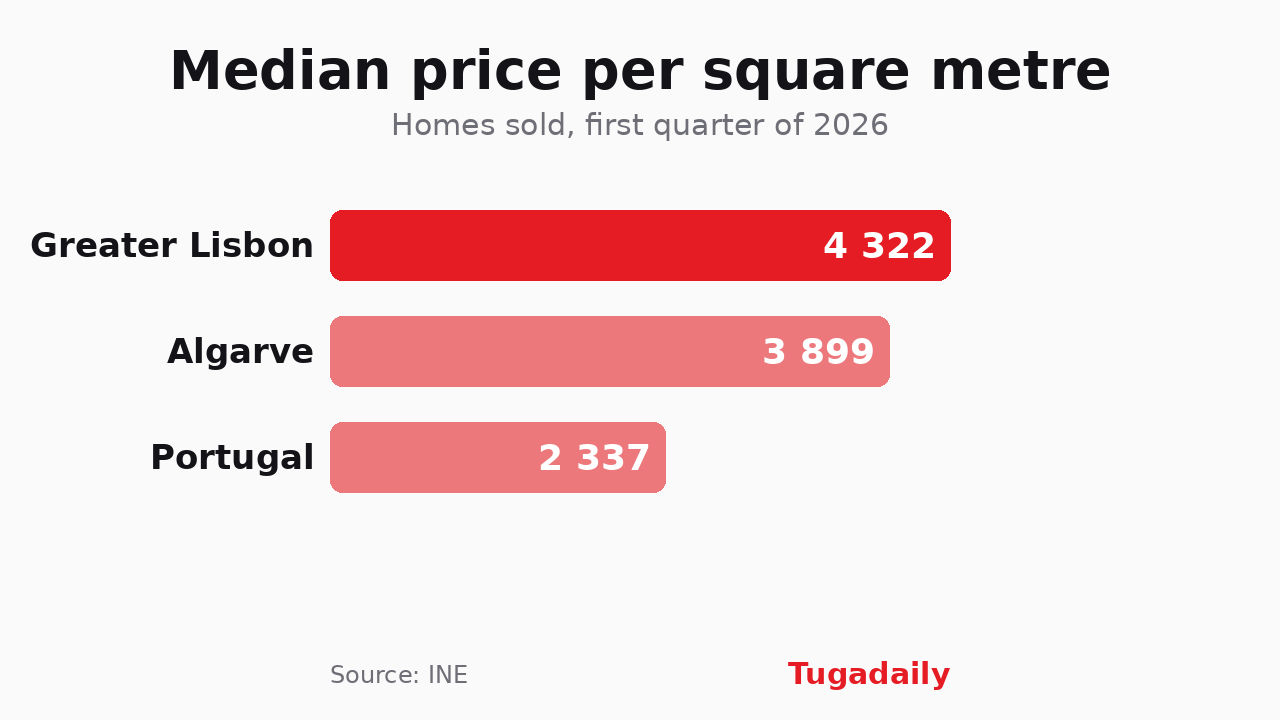
Part of Lisbon’s pull is price. Even after years of gains, benchmark luxury values in the capital sit below London, New York, Paris, Miami and Milan, a picture the firm had already drawn in April in its Lisbon Residential Market Insight 2026. The report also names a specific buyer: North American families looking to protect their wealth and put distance between themselves and geopolitical risk, for whom Portugal (and Spain) works as an international base rather than a replacement for the main home.
The report also flags a shift in taste. Luxury money is moving out of cities towards coastlines, islands and resorts, and as amenities become standard, value shifts to what is hard to copy: place, provenance, experience and human connection. Comporta, filed as “emerging” only a few years ago, is now described as “one of Europe’s most coveted seaside destinations”. Portugal, with its unusual settings and architecture that stands apart from the norm, fits that criterion well.
What it means for everyone else
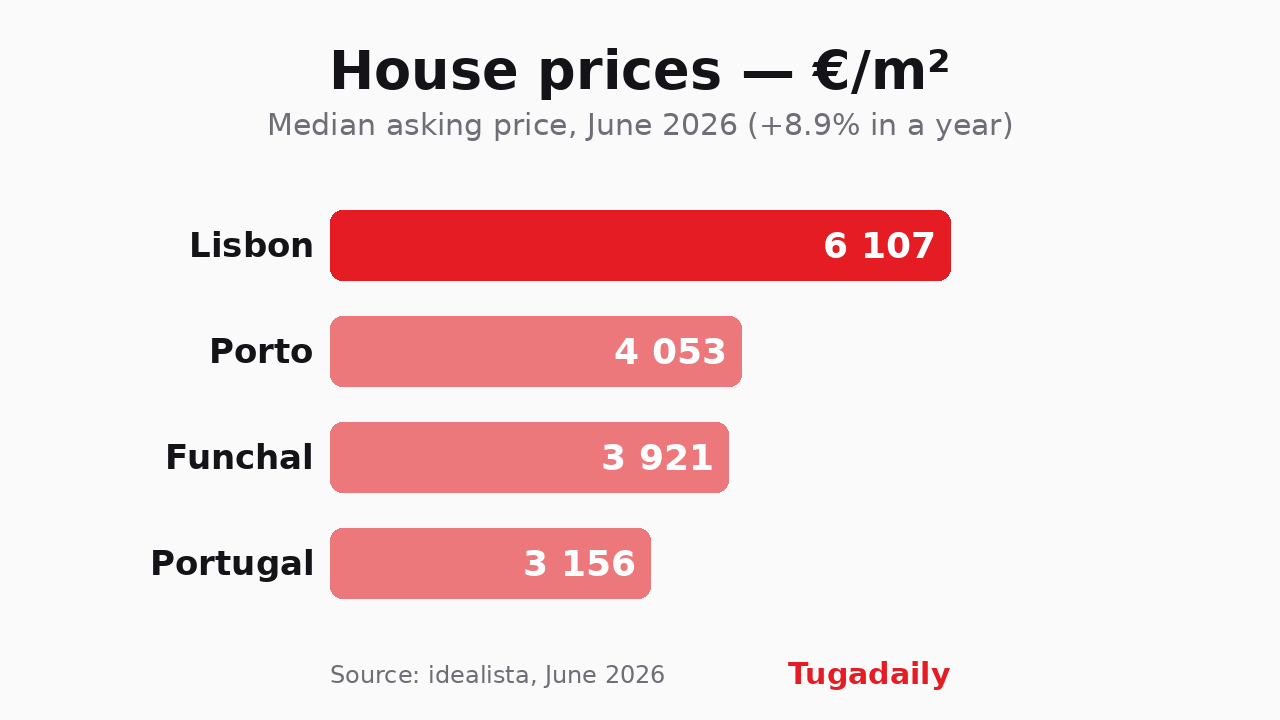
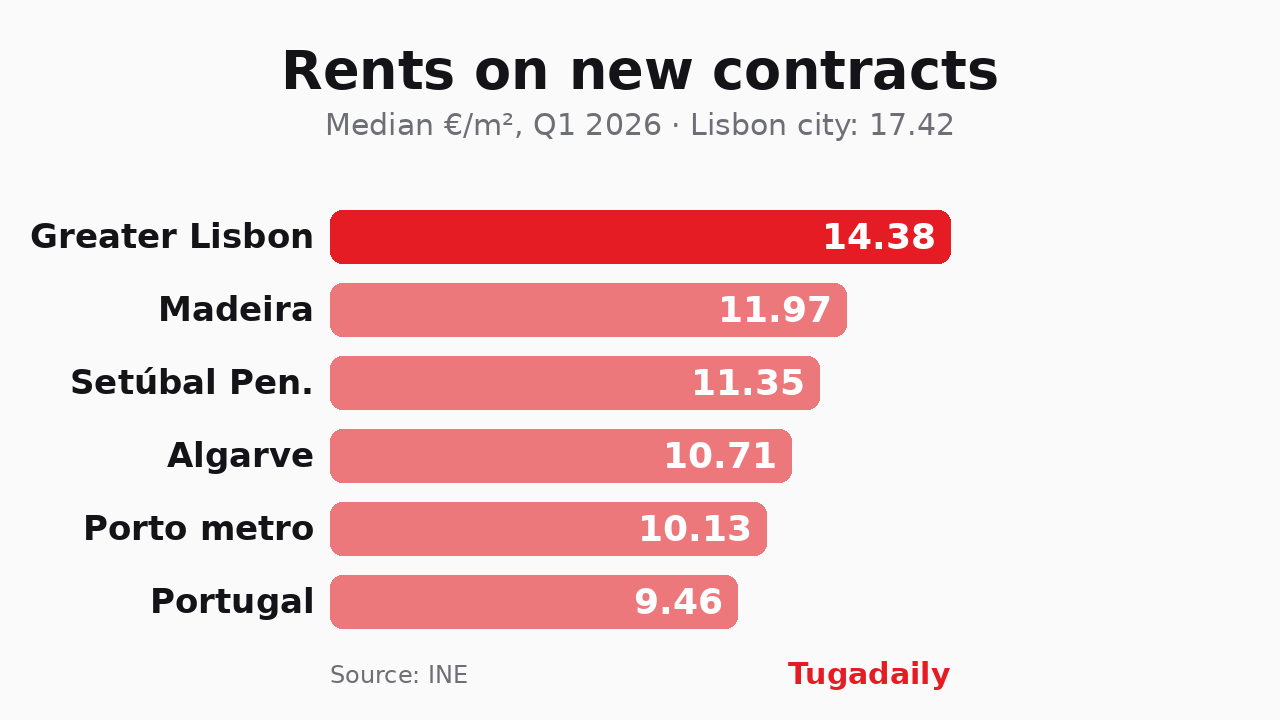
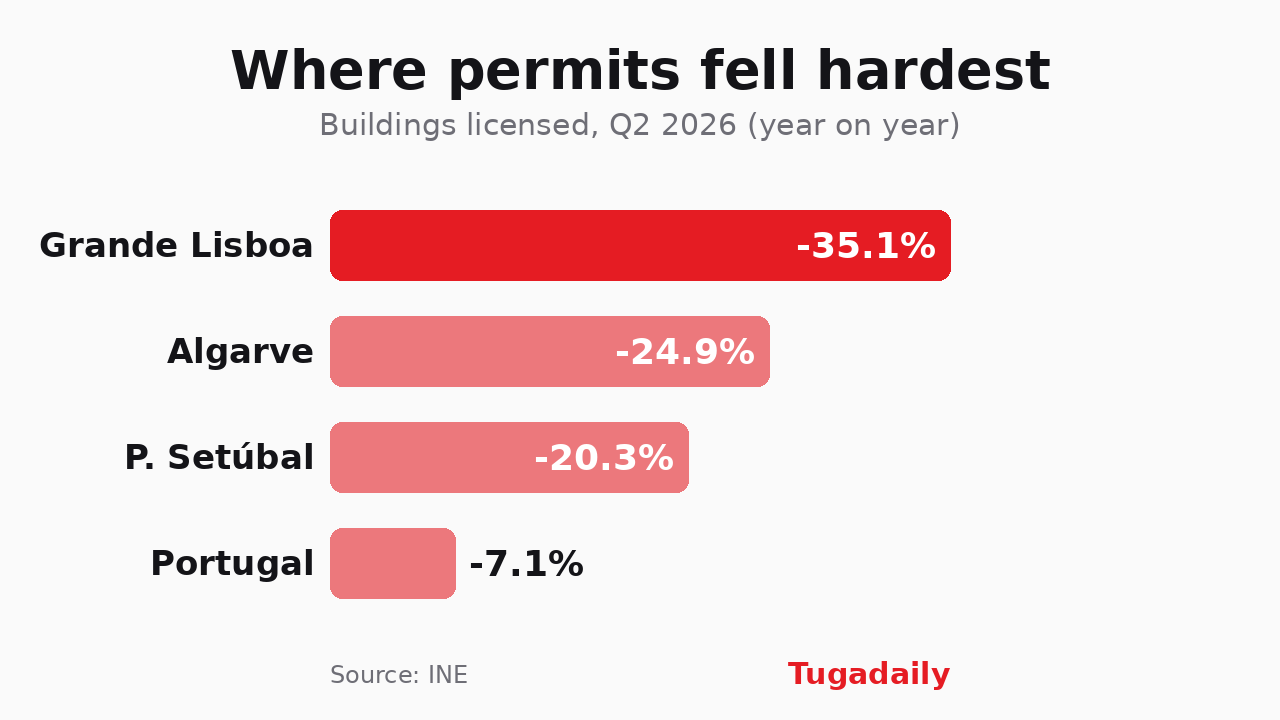
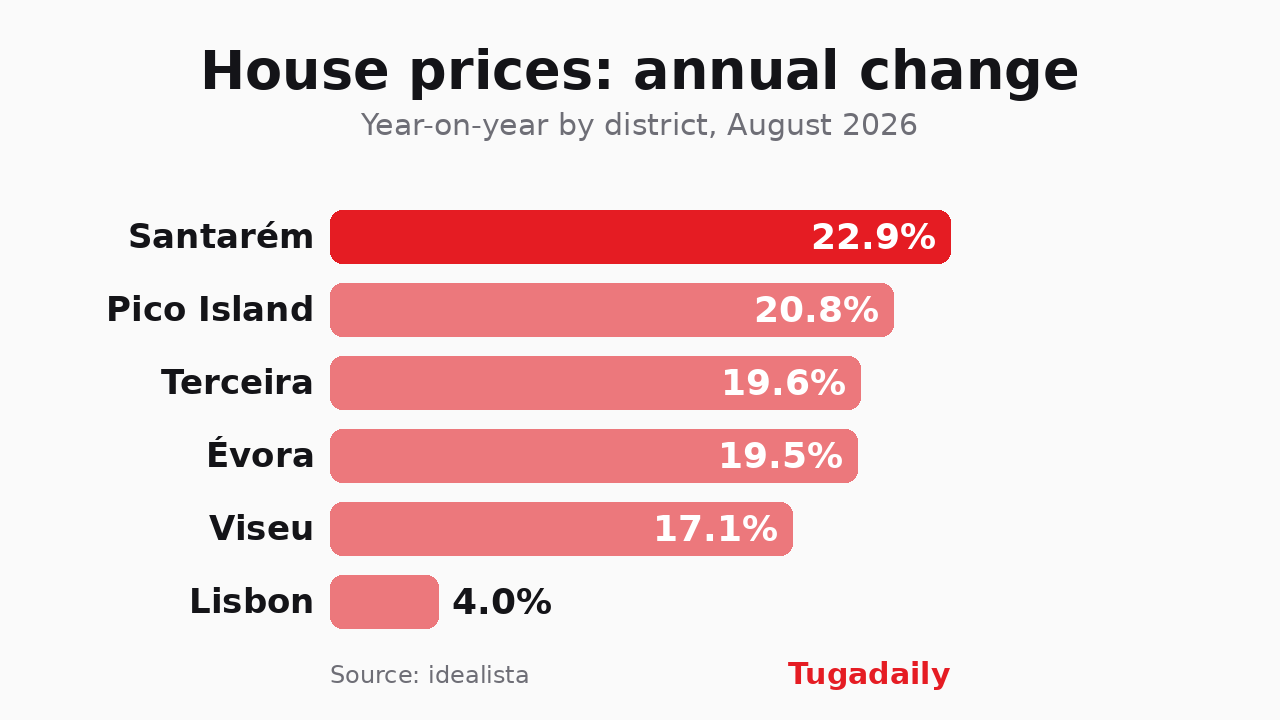
The part the report doesn’t spell out, but that sits between the lines, is this: the more top-tier international demand settles into Lisbon, the Algarve and Comporta, the more those markets get tied to a reference price that has nothing to do with Portuguese wages. House prices here are already rising faster than pay, and a buyer who finds Lisbon cheap next to London isn’t competing for the same budget as a Portuguese couple buying their first home. The good news for the country is that it keeps pulling in capital and international attention. The open question is how much room is left for everyone else once top-tier demand keeps climbing against a supply that doesn’t.
Image: Vitor Oliveira / Wikimedia Commons (CC BY-SA 2.0)